
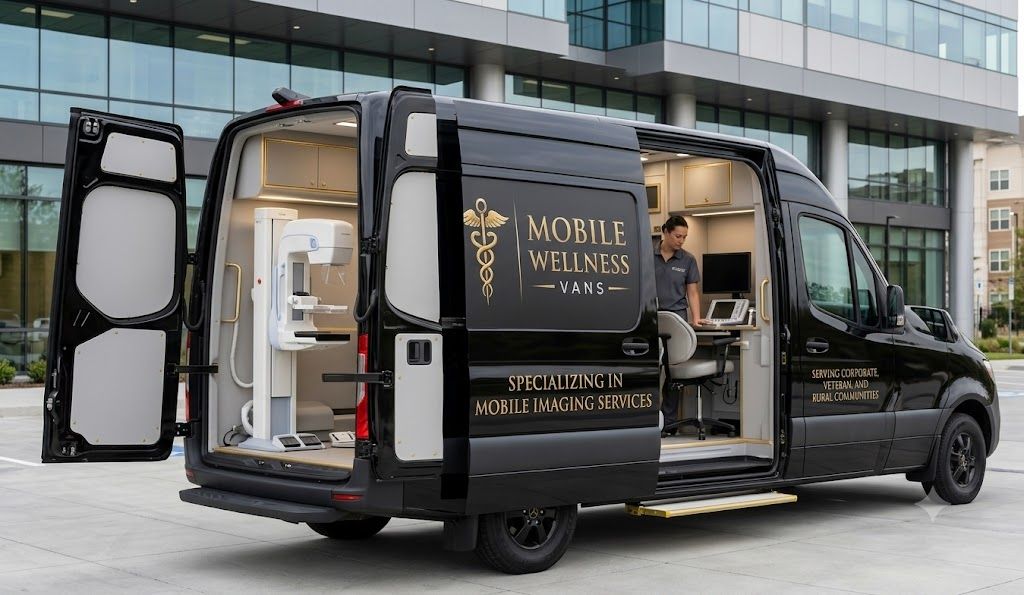
A conversion van can look flawless on the outside while hiding a critical problem inside: equipment that cannot be reached when something goes wrong. A blocked electrical panel, inaccessible medical equipment, or tightly packed storage system can turn a simple maintenance issue into an expensive operational disruption.
For mobile businesses, healthcare providers, and specialized service operators, accessibility should therefore be treated as a core design requirement, not an afterthought. Professional van conversion services can help balance functionality, safety, emergency access, and long-term maintenance when planning the interior layout.
Why Emergency Access Matters in a Conversion Van?
Every component inside a converted van competes for limited space. Cabinets, seating, workstations, power systems, water tanks, medical equipment, and storage all need carefully planned positions.
However, maximizing available space should never mean eliminating access to critical components. Emergency exits, doors, electrical shutoffs, fire extinguishers, ventilation points, and essential equipment should remain easy to reach.
A practical design should allow occupants to move quickly through the vehicle without navigating unnecessary obstacles. Clear pathways can be especially important in medical, laboratory, inspection, and emergency-response applications where seconds may matter.
Design Service Access Before Installing Equipment
Maintenance becomes difficult when systems are installed without considering how technicians will reach them later.
Electrical components, batteries, HVAC equipment, plumbing connections, pumps, generators, and communication systems should have dedicated service access. Removable panels and strategically positioned access doors can allow technicians to inspect or replace components without dismantling the entire interior.
This approach can also reduce repair costs. Instead of removing cabinets or flooring to reach a concealed component, technicians can access the required system directly.
When evaluating van conversion services, ask whether maintenance access is incorporated into the design process. A conversion should be built for both daily operation and eventual servicing.
Keep Critical Systems Easy to Identify
Emergency access is not only about physical space. Identification matters too.
Electrical disconnects, circuit breakers, water shutoffs, fire extinguishers, first-aid supplies, and other critical controls should be clearly labeled and logically positioned. Labels can help occupants respond quickly during an emergency and allow technicians to understand the vehicle's systems more efficiently.
Color coding, diagrams, service panels, and organized wiring can further simplify troubleshooting. These seemingly small design decisions can make a major difference when a problem occurs away from a conventional workshop.
Plan for Equipment Replacement and Upgrades
A conversion van may operate for many years, but its equipment probably will not remain unchanged for that long. Batteries may need replacement, technology may become outdated, and business requirements may evolve.
A rigid interior can make upgrades unnecessarily expensive. Modular cabinetry, removable mounting systems, accessible wiring channels, and flexible equipment compartments provide more adaptability.
This consideration is particularly important for specialized healthcare vehicles. Buyers comparing mobile medical offices for sale should examine not only the equipment currently installed but also how easily that equipment can be serviced, replaced, or upgraded.
Ventilation and Electrical Access Require Special Attention
Power-hungry equipment can generate heat, while enclosed spaces may require controlled ventilation. Batteries, inverters, HVAC systems, refrigeration equipment, and other electrical components need appropriate installation and service access.
Poorly planned ventilation can contribute to overheating and equipment performance problems. Similarly, inaccessible wiring can make electrical troubleshooting difficult.
A professional conversion should account for airflow, cable routing, electrical load requirements, component clearances, and future servicing before the interior is finalized.
Build Safety into Everyday Movement
Emergency planning should influence everyday usability. Doors should open without colliding with critical equipment. Storage should remain secure while driving. Heavy equipment should be properly mounted, and frequently used items should be accessible without creating trip hazards.
The best layouts make safe movement feel natural. Instead of relying on occupants to work around poorly positioned equipment, the interior itself should guide efficient and predictable movement.
Maintenance Planning Reduces Long-Term Downtime
A conversion van is an operational asset. When it is unavailable for repairs, appointments, deliveries, inspections, or mobile services may also be disrupted.
Preventive maintenance becomes easier when filters, batteries, pumps, electrical connections, plumbing components, and other serviceable systems are accessible. Routine inspections can identify problems before they become major failures.
This makes serviceability an important part of the initial design, not merely a concern for the mechanic after construction is complete.
Conclusion
A successful van conversion should be designed around the entire lifecycle of the vehicle. Emergency access, service panels, equipment placement, ventilation, electrical systems, and future upgrades all deserve consideration before construction begins.
Whether developing a specialized mobile workspace or evaluating mobile medical offices for sale, prioritize layouts that provide practical access without sacrificing functionality. Working with experienced van conversion services can help create a vehicle that is safer, easier to maintain, and better prepared for changing operational needs.